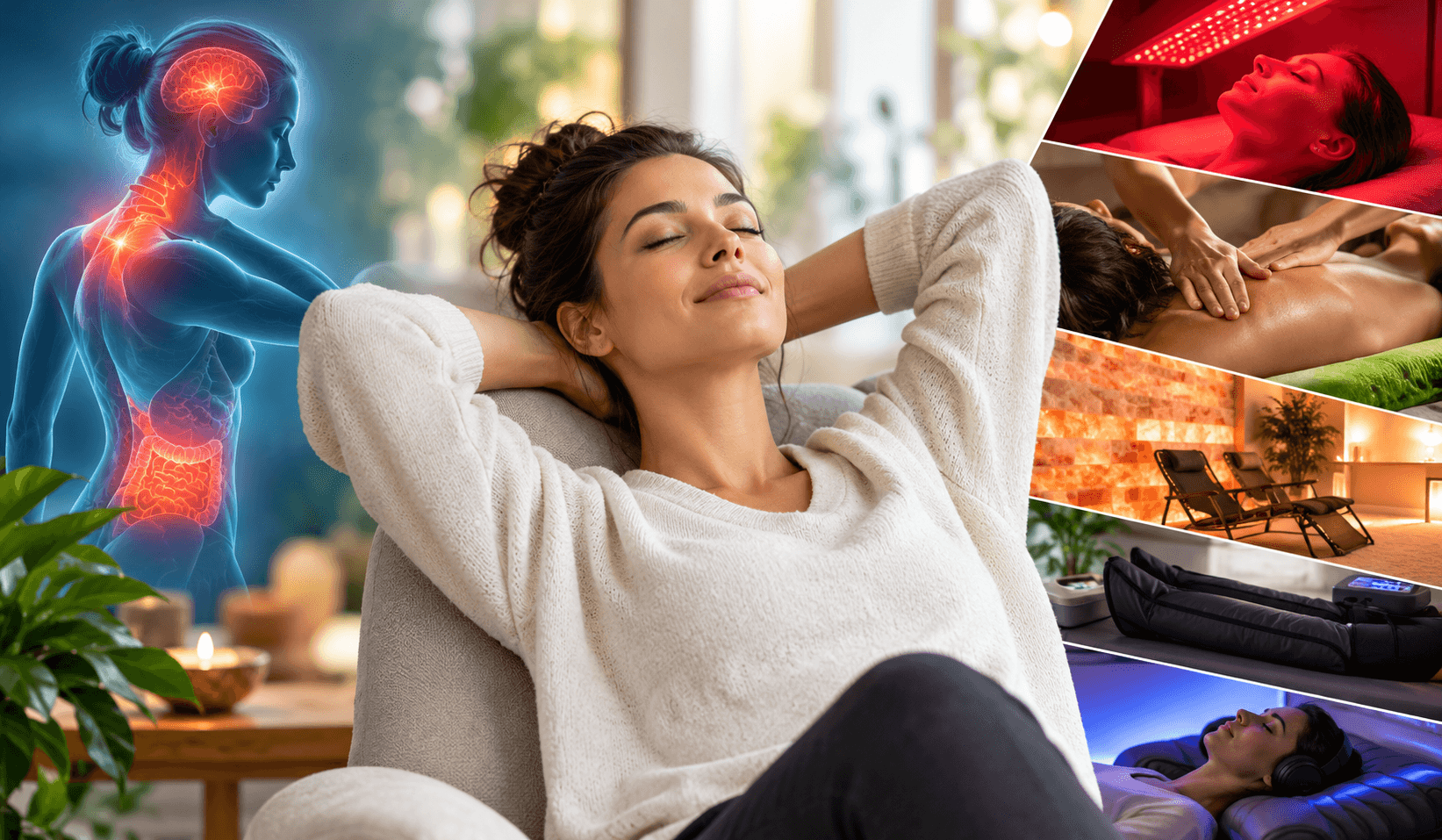
Chronic stress is a common experience that can affect many aspects of your physical and mental well-being over time. Unlike short-term stress, which can motivate and help you face challenges, chronic stress lingers and may contribute to feelings of fatigue, tension, and other health challenges. Understanding how chronic stress impacts your body can help you recognize the signs early and seek effective ways to manage it. At Scape Relaxation, we offer a variety of wellness and recovery services designed to support your body’s natural ability to relax and recover from stress. In this article, we explore the effects of chronic stress and share how certain therapies may help you find relief and restore balance.
Understanding the Physical Impact of Chronic Stress
When stress becomes chronic, the body remains in a heightened state of alertness, often described as the “fight or flight” response. This ongoing activation can have several effects on your body. Common physical symptoms include muscle tension, headaches, digestive issues, and difficulty sleeping. Over time, chronic stress may also contribute to feelings of fatigue and a weakened immune response. This happens because stress hormones like cortisol are elevated for prolonged periods, which can interrupt normal processes including digestion, sleep, and muscle recovery. Recognizing these signs is an important first step toward managing stress in a healthy way.
How Chronic Stress Affects Sleep and Recovery
Sleep is vital for your body to recover and maintain overall health. Chronic stress can disrupt your sleep patterns by making it harder to fall asleep or causing restless nights. Poor sleep then compounds stress, creating a cycle that’s difficult to break. Without restful sleep, your muscles, nervous system, and mind don’t get the downtime needed for optimal function. Many people find that therapies designed to promote relaxation and reduce physical tension play a key role in improving sleep quality. At Scape Relaxation, treatments like vibroacoustic therapy and massage recovery technology are options that may help promote deeper relaxation and better rest.
Therapies That May Help Support Stress Relief and Recovery
Several of the therapies offered at Scape Relaxation may support the body’s ability to relieve stress and aid in recovery. For example, red light therapy may help promote cellular energy and muscle recovery, potentially reducing tension related to stress. Pulsed Electromagnetic Field (PEMF) therapy is another option that some research suggests may help support relaxation and tissue repair. Salt therapy, also known as halo therapy, offers a tranquil environment that can encourage easier breathing and calmness. Meanwhile, compression therapy and vibroacoustic therapy can assist circulation and muscle relaxation, which may be impaired by chronic stress. While these therapies are not cures for stress, many clients find that incorporating relaxation-focused treatments into their routine helps them better manage stress’s physical toll.
Frequently Asked Questions
What are common signs that chronic stress is affecting my body?
Common signs include ongoing muscle tension, headaches, digestive discomfort, disrupted sleep, fatigue, and feelings of irritability or anxiety. Noticing these symptoms can be a clue that chronic stress is impacting your wellness.
How can relaxation therapies help with stress relief?
Relaxation therapies offered at Scape Relaxation may help your body unwind by reducing muscle tension, improving circulation, and encouraging restful sleep. While they are not treatments for medical conditions, these therapies may support your natural recovery and stress management.
Is red light therapy effective for stress-related muscle tension?
Some research suggests that red light therapy may help promote muscle recovery and reduce tension, which can be exacerbated by stress. Clients often combine it with other restorative treatments for best results.
How often should I use these therapies for stress relief?
The frequency depends on your individual needs and goals. Many people start with weekly sessions and adjust based on how their body responds. A consultation with Scape Relaxation staff can help tailor a plan right for you.
Next Steps
- Learn more about our relaxation and recovery therapies at Scape Relaxation and book your personalized session today to start managing stress more effectively.