
When it comes to relaxation and recovery, both reflexology and massage therapy are popular choices that can help relieve stress and support overall wellness. But what exactly sets these two therapies apart? Understanding the differences between reflexology and massage can help you decide which treatment might best suit your needs or complement your wellness routine. In this article, we’ll explore each therapy, outline their unique benefits, and provide answers to common questions to guide you on your path to greater relaxation and recovery.
What Is Reflexology?
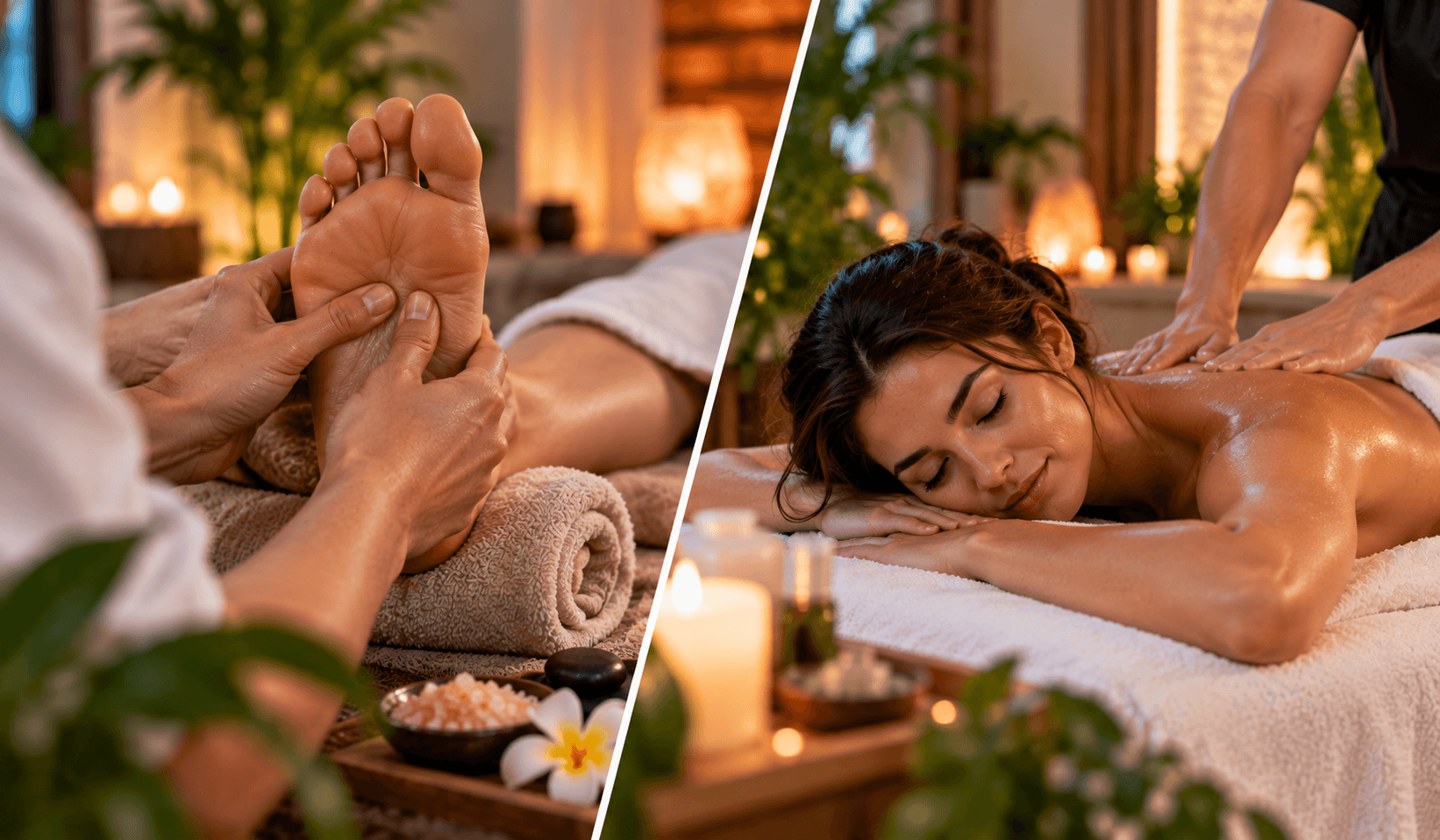
Reflexology is a therapeutic practice that involves applying focused pressure to specific points on the feet, hands, or ears. These points correspond to different organs and systems in the body, based on the idea that stimulating them can help promote balance and wellness throughout the body. Rather than working on muscles or tissues directly, reflexology focuses on these reflex points to encourage relaxation and support the body’s natural healing processes.
At Scape Relaxation, reflexology sessions aim to promote stress relief and overall well-being by targeting these key areas. Many clients find that reflexology helps them feel more relaxed, energized, and balanced after a session.
What Is Massage Therapy?
Massage therapy involves manipulating the muscles and soft tissues of the body to relieve tension, pain, and stiffness. It includes a variety of techniques such as Swedish massage, deep tissue massage, and sports massage—each targeting different needs like muscle recovery, relaxation, or injury rehabilitation.
Massage therapists use hands, fingers, elbows, or tools to apply pressure and movement to muscles, helping increase circulation, reduce muscle tightness, and promote relaxation. Massage therapy is widely recognized for its ability to support physical recovery, decrease stress, and improve sleep quality.
At Scape Relaxation, massage therapy is complemented by advanced recovery technology, helping clients enhance muscle recovery and alleviate tension effectively.
Key Benefits of Reflexology
Reflexology offers several potential benefits that may support your wellness routine:
- Stress Reduction: By stimulating reflex points, reflexology encourages deep relaxation and may help reduce feelings of anxiety and stress.
- Improved Circulation: Targeted pressure can promote blood flow in the feet and hands, which some research suggests may support overall circulation.
- Enhanced Relaxation: Reflexology sessions provide a calming experience that can contribute to a greater sense of well-being.
While reflexology should not replace medical treatment, it is a gentle complementary option for those looking to unwind and support their body’s potential to relax and recover.
Key Benefits of Massage Therapy
Massage therapy can deliver a range of benefits, especially for those dealing with muscle tension or seeking physical recovery:
- Muscle Recovery: Techniques such as deep tissue or sports massage target tight muscles and can support recovery after physical activity.
- Pain Relief: By loosening tight muscles and increasing circulation, massage may help reduce discomfort caused by muscle stiffness.
- Better Sleep: The relaxation induced by massage can help improve sleep quality, contributing to overall wellness.
Combining massage therapy with other recovery technologies available at Scape Relaxation, such as red light therapy and PEMF therapy, may enhance your muscle recovery and relaxation experience.
Frequently Asked Questions
Is reflexology the same as massage?
No, reflexology and massage are different practices. Reflexology focuses on applying pressure to specific points on the feet, hands, or ears that correspond to other parts of the body, aiming to promote overall wellness and relaxation. Massage therapy involves manipulating the muscles and soft tissues to relieve tension and support physical recovery.
Which is better for stress relief: reflexology or massage?
Both reflexology and massage can help reduce stress, but they do so in different ways. Reflexology uses targeted pressure points to encourage relaxation, while massage works by loosening tight muscles and improving circulation. The best choice depends on personal preference and specific needs.
Can I receive reflexology and massage in the same session?
Many wellness centers, including Scape Relaxation, offer options to combine different therapies or schedule sessions close together. Combining reflexology and massage can provide complementary benefits for relaxation and recovery, but it’s best to discuss your goals with your therapist to tailor the experience.
Are there any side effects of reflexology or massage?
Most people experience relaxation and relief from both therapies. However, some may feel mild soreness, fatigue, or light-headedness afterward. It’s important to communicate openly with your therapist about any discomfort or health conditions.
Next Steps
- Discover how reflexology and massage can fit into your wellness routine—book your session today at Scape Relaxation.
- Explore our full range of recovery and relaxation services and find what works best for you.
- Ready to experience ultimate relaxation? Schedule a personalized consultation with our experts.