
Feeling sore after a workout is a common experience that many fitness enthusiasts encounter. This soreness, often felt as stiffness or tenderness in your muscles, is your body’s natural response to challenging physical activity. Understanding why muscle soreness happens and how to support recovery can help you maintain a consistent workout routine and enhance your overall wellness. In this article, we’ll explore the reasons behind post-workout soreness and share seven practical ways to aid recovery, including how specialized therapies offered at Scape Relaxation may support your muscle health.
Why Do You Feel Sore After Exercising?
Post-workout soreness is typically caused by small microscopic tears in your muscle fibers, especially when you try new exercises or increase intensity. This phenomenon is commonly known as Delayed Onset Muscle Soreness (DOMS). It usually peaks within 24 to 72 hours after exercise. DOMS arises as your muscles adapt and rebuild stronger in response to the stress of your workout, but it can feel uncomfortable or limiting.
Other factors contributing to soreness include lactic acid buildup during intense activity, muscle fatigue, and inflammation. While soreness can be an indicator that you’ve had a good workout, managing it properly is essential to promote recovery and reduce discomfort.
7 Effective Ways to Support Muscle Recovery
Supporting your recovery after a workout is key to improving your performance and avoiding injury. Here are seven proven strategies to help your muscles heal and feel better faster:
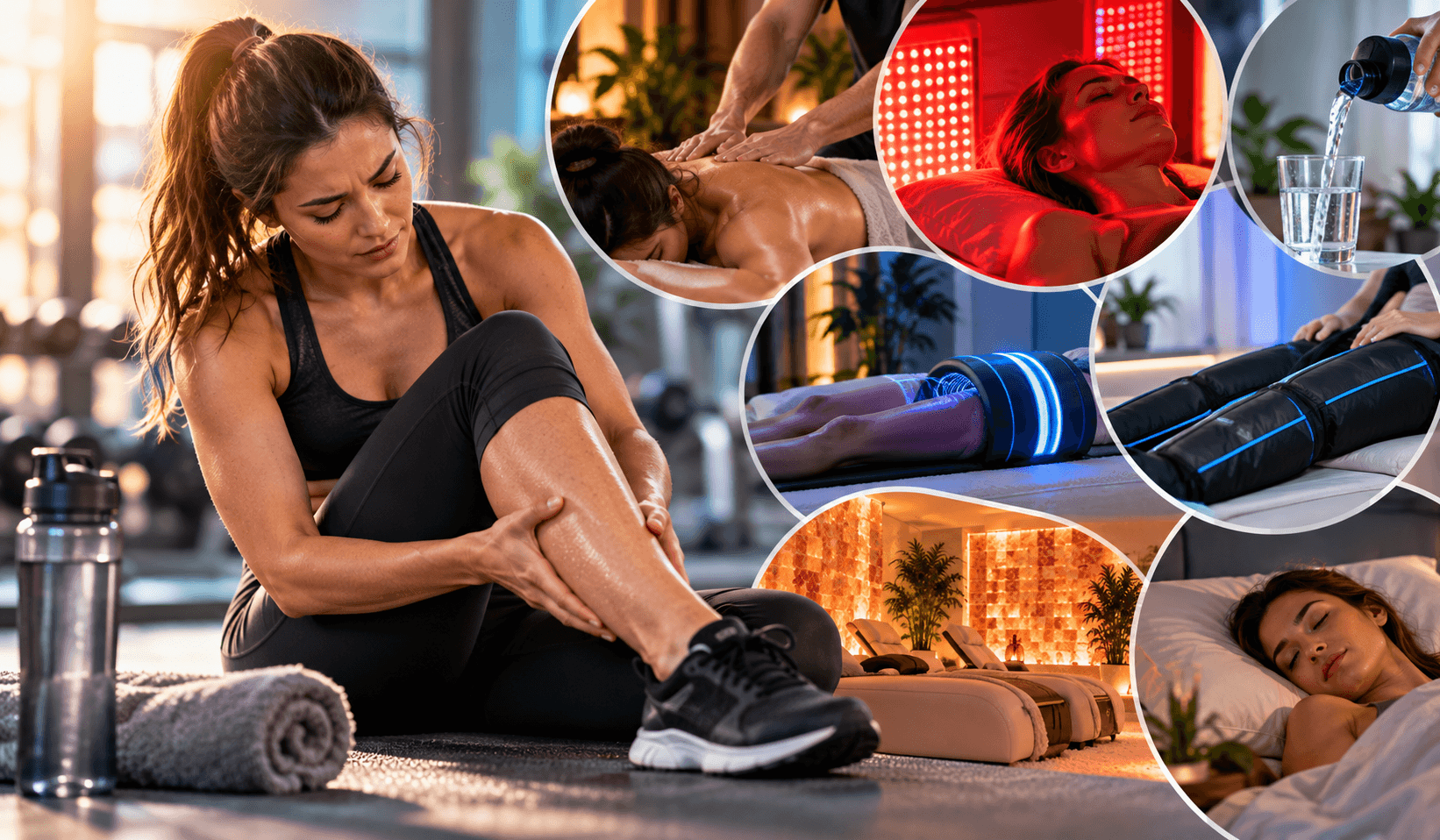
- Stay Hydrated: Drinking plenty of water helps flush out toxins and supports circulation, both important for recovery.
- Prioritize Quality Sleep: Sleep is when your body repairs muscle tissue. Aim for 7 to 9 hours of restful sleep to optimize this process.
- Use Targeted Massage and Recovery Technology: Therapeutic massage, including services available at Scape Relaxation, can help improve circulation, reduce muscle tightness, and ease soreness. Technologies like vibroacoustic therapy also use sound vibrations to promote relaxation and muscle recovery.
- Try Red Light Therapy: Some research suggests that red light therapy may support muscle repair by reducing inflammation and improving energy production in cells. This non-invasive treatment is available at Scape Relaxation as part of an effective wellness routine.
- Experience PEMF Therapy: Pulsed Electromagnetic Field (PEMF) therapy aims to stimulate cellular function and enhance circulation, potentially aiding in faster muscle recovery.
- Incorporate Compression Therapy: Using compression garments or therapy can support blood flow and decrease swelling, which may shorten recovery time.
- Practice Relaxation Techniques Like Salt Therapy: Relaxing in a salt room or undergoing halo salt therapy at Scape Relaxation might help reduce stress and inflammation, creating a peaceful environment that supports your body’s natural healing process.
Each method complements the others, creating a holistic approach to recovery. Combining quality rest with innovative therapies offered at Scape Relaxation can help you bounce back from soreness more comfortably.
Frequently Asked Questions
What causes delayed onset muscle soreness (DOMS)?
Delayed onset muscle soreness, or DOMS, is caused by tiny tears in muscle fibers after unfamiliar or intense exercise. It usually appears 24 to 72 hours after working out as your muscles adapt and repair themselves.
How long does muscle soreness after a workout typically last?
Muscle soreness commonly peaks within one to three days after exercise and gradually improves over the following days. If soreness persists longer or is extremely painful, it’s wise to consult a healthcare professional.
Can therapies like red light or PEMF therapy really help with muscle recovery?
Some research suggests that therapies like red light and PEMF therapy may support muscle recovery by reducing inflammation and stimulating cell repair, but results can vary by individual. At Scape Relaxation, these treatments are offered as part of a wellness routine that may help enhance recovery.
Is massage therapy effective for reducing muscle soreness?
Yes, massage therapy is widely recognized for improving blood flow, reducing muscle tightness, and helping to alleviate soreness. Scape Relaxation provides massage and vibroacoustic therapy options designed to support your recovery.
What can I do at home to ease post-workout soreness?
At home, staying hydrated, resting adequately, gently stretching, and prioritizing sleep are effective ways to manage soreness. Combining these habits with professional therapies can further support your recovery journey.
Next Steps
- Ready to support your recovery and reduce soreness? Explore our range of therapies at Scape Relaxation and book your session today to feel your best.
- Learn more about how therapies like red light and PEMF can enhance your muscle recovery experience at Scape Relaxation.