
Vibroacoustic therapy uses low-frequency sound waves combined with gentle vibrations to create a deeply relaxing experience. By sitting or lying down on specialized equipment that delivers these sound vibrations directly to your body, the therapy aims to promote a sense of calm and soothe tension. This natural approach may help support relaxation and stress management for people in the Clearwater area looking for alternative wellness options.
What Is Vibroacoustic Therapy?
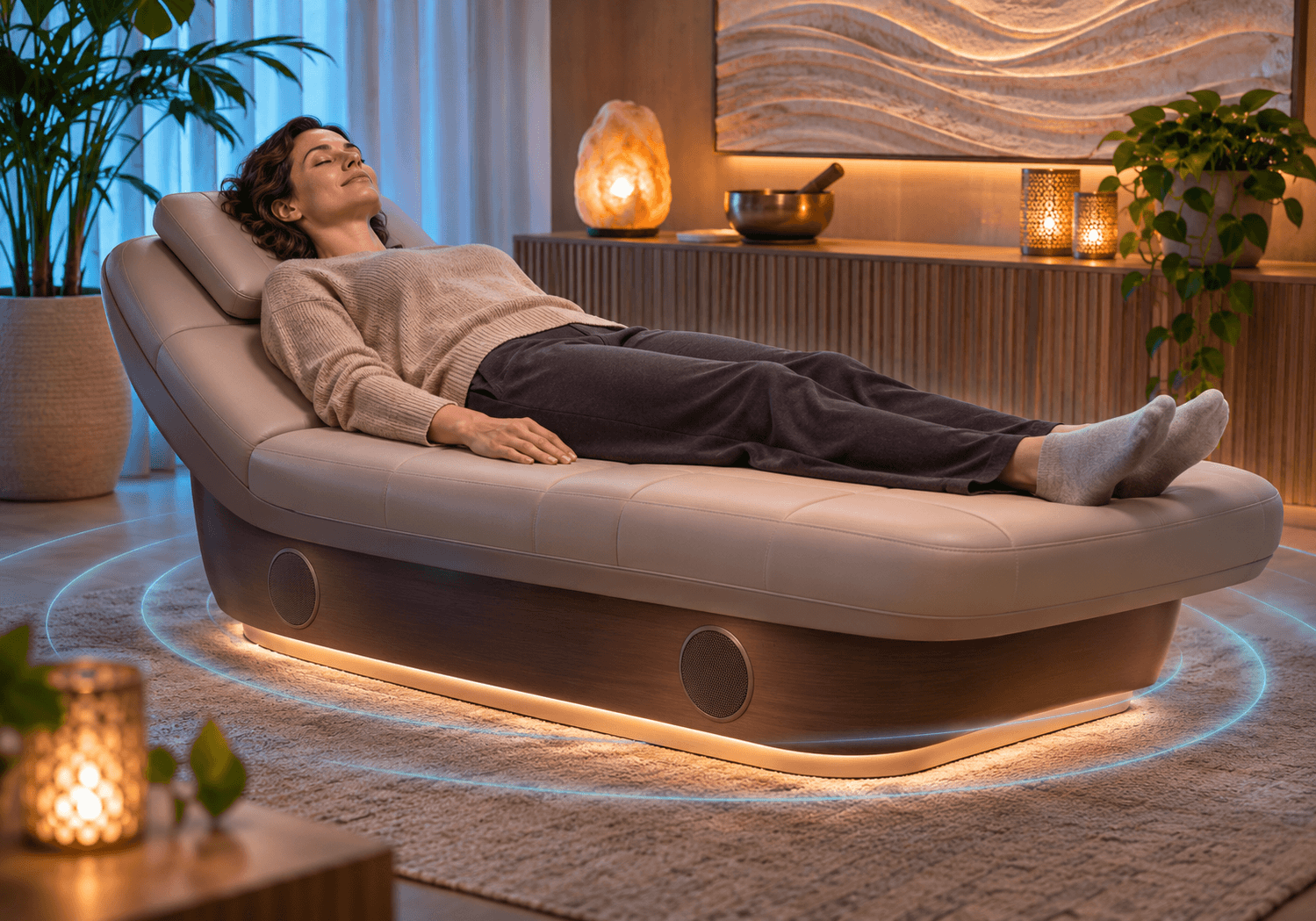
Vibroacoustic therapy involves the use of low-frequency sound waves that are converted into physical vibrations and transmitted through furniture such as a chair or a table designed for this purpose. These vibrations gently stimulate the body while accompanying tones provide auditory stimulation. This combination engages both the auditory and tactile senses simultaneously, creating a unique sensory experience aimed at relaxation and stress reduction.
How Does Vibroacoustic Therapy Work?
During a session, low-frequency sounds produced by specialized equipment generate vibrations that you feel on your body. These vibrations penetrate muscles and tissues, producing gentle mechanical stimulation. The sound component helps your brain process the relaxing tones, which often consist of calming frequencies or music specifically tuned for therapeutic purposes. Together, the sensations encourage physiological responses such as decreased muscle tension and a lowered heart rate, which contribute to relaxation.
What Does a Session Feel Like?
Vibroacoustic therapy sessions are typically relaxing and non-invasive. You’ll usually lie down or sit comfortably on the vibroacoustic equipment with your clothes on. The vibrations feel like a gentle rhythmic pulsing or humming across the body, often experienced as soothing rather than intrusive. The sounds resonate throughout the space, complementing the tactile sensations. Many clients report feeling calm and more balanced after sessions, although individual experiences vary.
Who May Benefit from Vibroacoustic Therapy?
People seeking natural ways to relax and unwind often use vibroacoustic therapy. It is commonly chosen by individuals looking to manage everyday stress, mental fatigue, or muscle tightness without medication. While it’s not a medical treatment, some find it helpful for supporting general well-being and relaxation. Since the therapy is gentle and non-invasive, it may be suitable for a wide range of adults. However, those with certain health conditions should consult their healthcare provider before trying vibroacoustic therapy.
How Long Does a Vibroacoustic Therapy Session Last?
Sessions usually last between 30 to 60 minutes. The duration depends on personal preference and the specific program offered by the provider. During this time, you remain still and focus on experiencing the sensations of sound and vibration. Since the therapy is restful, no active participation is needed beyond settling into a comfortable position.
What Should You Expect During and After the Session?
A session starts with positioning yourself on the vibroacoustic equipment, followed by a gradual introduction of sound and vibration. You can expect a calm environment with quiet spaces or softly played music designed to enhance relaxation. After the session, most people feel relaxed and may notice a reduction in muscle tension. There is no downtime, so you can resume normal activities right away. Drinking water and moving gently after the session may support overall comfort.
Frequently Asked Questions
Is vibroacoustic therapy painful?
No, vibroacoustic therapy is generally painless. The vibrations are low intensity and designed to be soothing rather than uncomfortable.
What should I wear to a vibroacoustic therapy session?
Wear comfortable clothing that allows you to relax fully. You remain fully clothed during the session.
How often can I do vibroacoustic therapy?
Frequency depends on individual needs, but many people start with one to two sessions per week and adjust based on how they feel.
Can I combine vibroacoustic therapy with other treatments?
Yes, vibroacoustic therapy can be combined with other relaxation or recovery therapies such as compression therapy or massage.
Are there any conditions where I should speak with a healthcare professional first?
If you have serious medical conditions including implanted devices like pacemakers, or if you are pregnant, check with your healthcare provider before trying vibroacoustic therapy.
Next Steps
- Explore vibroacoustic therapy sessions in Clearwater at Scape Relaxation to experience how sound and vibration can support your relaxation routine.
- Book your vibroacoustic therapy appointment today and discover a new way to unwind and manage stress naturally.