

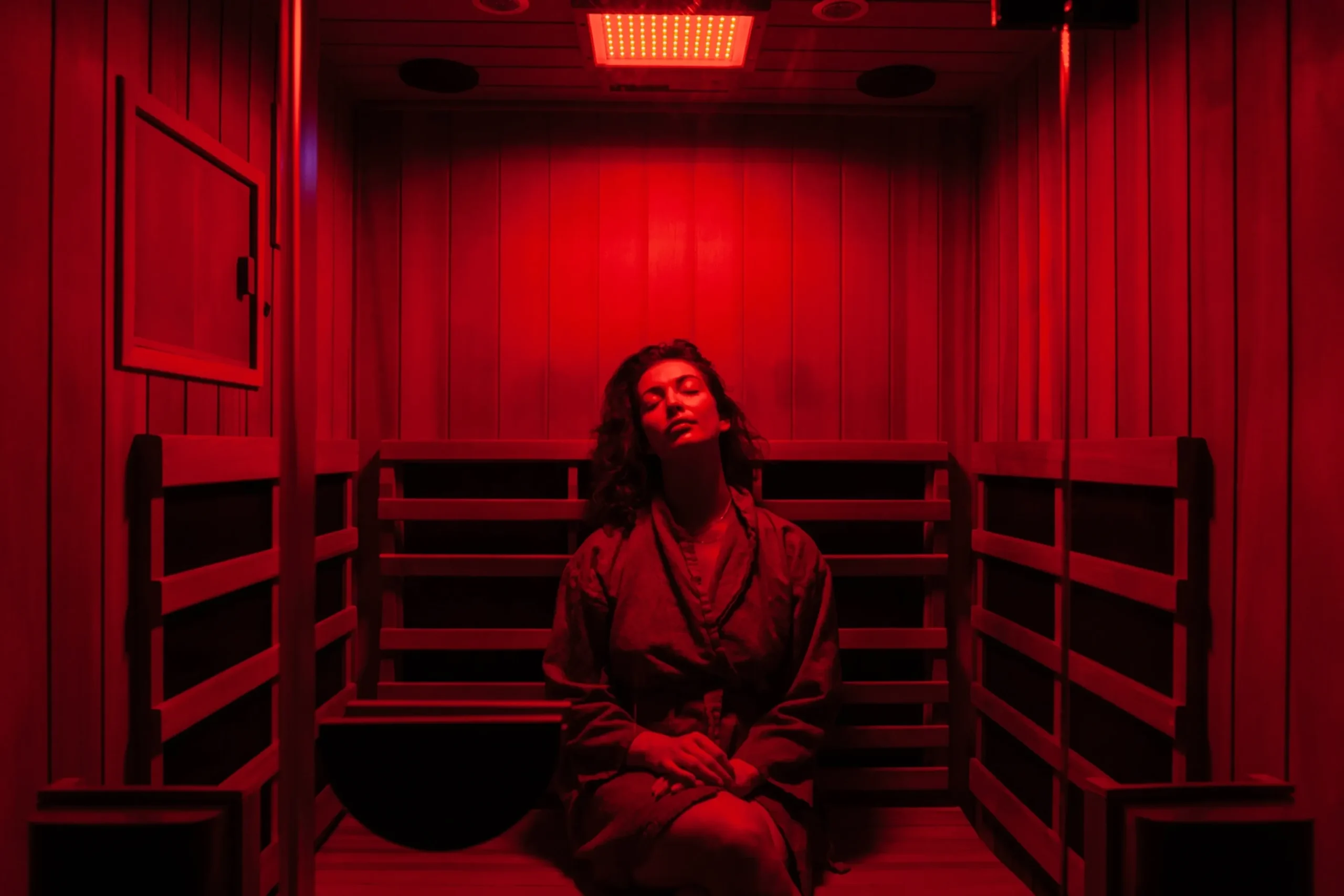
Inflammation is a natural part of the body’s healing process. After a tough workout, physical strain, stress, or an injury, your body responds by sending signals to protect and repair affected tissues.
In the short term, this response is useful. But when inflammation lasts longer than necessary, it can contribute to ongoing soreness, stiffness, discomfort, and slower recovery.
That is one reason red light therapy for inflammation has attracted so much attention in the wellness and recovery world.
Also known as photobiomodulation, red light therapy uses specific wavelengths of red and near-infrared light to interact with cells. Research suggests that this process may influence cellular energy production and biological pathways involved in inflammation and tissue recovery.
So, how does it work, and can it really help with inflammation?
What Is Inflammation?
Inflammation is your body’s natural response to something it considers harmful or stressful.
For example, inflammation can occur after:
- Exercise
- Muscle strain
- Minor injuries
- Physical stress
- Illness or infection
- Repetitive movements
Short-term inflammation is a normal part of recovery. It helps the body protect damaged areas and begin the healing process.
However, persistent inflammation is different. When inflammation continues for a long time, it may be associated with underlying health conditions that should be evaluated by a healthcare professional.
For everyday wellness and recovery, many people look for non-invasive ways to help support the body’s natural processes. Red light therapy is one option that continues to be studied.
How Does Red Light Therapy Work?
Red light therapy uses carefully selected wavelengths of red and near-infrared light.
When this light reaches the body, cells can absorb some of the light energy. Researchers believe that an important part of this interaction happens inside the mitochondria.
Mitochondria are often described as the energy-producing structures of our cells. They help produce adenosine triphosphate, or ATP, which cells use as energy to perform their normal functions.
Photobiomodulation may influence mitochondrial activity as well as nitric oxide, oxidative signaling, and other cellular processes involved in recovery and inflammation.
In simple terms, red light therapy may help create conditions that support normal cellular function and recovery.
Can Red Light Therapy Help Reduce Inflammation?
Research suggests that photobiomodulation may influence several pathways involved in the inflammatory response.
Instead of simply covering up soreness or discomfort, light interacts with biological processes at the cellular level.
This means red light therapy should not be thought of as a cure for inflammation. Instead, it may serve as a supportive wellness tool for certain types of recovery and discomfort.
Here are some of the ways it may help.
1. Supports a Healthy Inflammatory Response
Inflammation involves a complicated network of immune cells and chemical signals.
Research suggests photobiomodulation may influence some of those signaling pathways and help regulate inflammatory activity.
This potential effect is one reason red and near-infrared light have been researched for muscle recovery, joint discomfort, exercise-related soreness, and other areas involving inflammation.
2. Supports Cellular Energy Production
Recovery requires energy.
Cells need energy to maintain themselves, respond to stress, and carry out normal repair processes.
One of the proposed benefits of red light therapy is its interaction with mitochondria and cellular energy production.
Supporting these normal cellular processes may help the body recover more efficiently after physical activity or everyday strain.
3. May Help With Muscle Soreness and Recovery
Anyone who exercises regularly knows how uncomfortable muscle soreness can be.
After challenging physical activity, the body’s recovery response can lead to temporary tenderness and stiffness. While rest, hydration, nutrition, and sleep remain important parts of recovery, red light therapy may provide additional support.
This has made it increasingly popular with people who exercise, play sports, have physically demanding jobs, or simply want to feel better between active days.
Rather than waiting until your body feels completely worn down, incorporating recovery into your normal routine may help you maintain a healthier balance between activity and rest.
4. May Support Joint Comfort
Joint stiffness and discomfort can make everyday activities less enjoyable.
Photobiomodulation has been studied for several musculoskeletal applications involving pain and inflammation. Research is still developing, and results vary depending on the condition and treatment method.
For that reason, red light therapy should not be considered a replacement for medical treatment for arthritis, injuries, or other joint conditions.
However, some people may find it useful as part of a broader routine designed to support mobility, recovery, and everyday comfort.
Red Light vs. Near-Infrared Light
Although the terms are sometimes used interchangeably, red light and near-infrared light are slightly different.
Red wavelengths primarily interact with tissues closer to the skin’s surface, while near-infrared wavelengths can reach deeper tissues.
Many modern light therapy systems combine several wavelengths so different areas of the body can be exposed during the same session.
If you want to understand the technology in more detail, learn how different wavelengths are used in red light therapy and how they may support a wellness routine.
What Does Red Light Therapy Feel Like?
One of the biggest advantages of red light therapy is how simple the experience can be.
There are no needles, strenuous movements, or massage pressure involved.
You simply relax while the light is delivered to the body.
This makes it especially appealing for people who want to add another recovery tool to their routine without making their schedule more physically demanding.
For some people, the session itself also becomes an opportunity to slow down and take a break from an otherwise busy day.
Is Red Light Therapy the Same as Heat Therapy?
No.
Although red light therapy and infrared heat are often discussed together, they work differently.
Infrared heat therapy primarily uses heat to warm the body and tissues. Red light therapy relies on specific wavelengths of light interacting with cells through a process known as photobiomodulation.
Both may have a place in a wellness routine, but the mechanisms are different.
How Often Should You Use Red Light Therapy?
There is no single schedule that works for everyone.
Red light therapy depends on several factors, including:
- Wavelength
- Light intensity
- Treatment duration
- Distance from the light source
- Area being treated
- Frequency of sessions
More exposure does not automatically mean better results.
Consistency and using the appropriate protocol are generally more important than trying to maximize the length of each session.
Following the recommendations for the specific equipment being used is the best approach.
Is Red Light Therapy Safe?
Red light therapy is non-invasive and is generally well tolerated when used appropriately.
However, there are still situations where additional care may be necessary.
People taking medications that increase sensitivity to light, those with certain medical conditions or eye conditions, and anyone who is pregnant or has other health concerns should speak with a qualified healthcare professional before starting a new therapy.
Red light therapy should also not be used as a substitute for proper medical evaluation.
Persistent swelling, significant pain, unexplained inflammation, or symptoms that continue to worsen should always be discussed with a healthcare provider.
How to Make Red Light Therapy Part of a Recovery Routine
Reducing physical stress and supporting recovery usually involves more than one approach.
Red light therapy can be combined with healthy everyday habits such as:
- Getting enough quality sleep
- Staying hydrated
- Eating a balanced diet
- Maintaining regular physical activity
- Allowing adequate recovery between workouts
- Stretching and maintaining mobility
- Managing everyday stress
- Taking time to relax
Instead of viewing one wellness treatment as the answer to everything, it can be more helpful to build several healthy habits that work together.
Frequently Asked Questions
Does red light therapy reduce inflammation?
Research suggests red and near-infrared light may influence cellular and immune processes associated with inflammation. Results can vary depending on the individual, condition, wavelengths, treatment intensity, and other factors, so red light therapy should be considered supportive rather than a guaranteed treatment.
How does red light therapy help inflammation?
Red light therapy may interact with mitochondria and other cellular pathways involved in energy production, oxidative stress, circulation, and inflammatory signaling. These effects may help support the body’s normal recovery processes.
Can red light therapy help muscle soreness?
Red light therapy has been studied for exercise recovery and muscle-related discomfort. Some research suggests potential benefits, although results depend on the treatment protocol and individual.
Can red light therapy help joint discomfort?
Photobiomodulation has been researched for several types of musculoskeletal and joint discomfort. While some studies have shown encouraging results, it should not replace medical care for arthritis, injury, or persistent joint pain.
How quickly does red light therapy work?
There is no universal timeline. Some people may notice changes sooner than others, and results can depend on the reason for using red light therapy, treatment frequency, equipment, and individual response.
Is red light therapy painful?
Red light therapy is non-invasive and does not require needles, pressure, or strenuous activity. Sessions are generally designed to be comfortable and easy to incorporate into a wellness or recovery routine.
Wellness and Recovery at Scape Relaxation
Scape Relaxation was created around the idea that relaxation and recovery should be easier to make part of everyday life. The studio combines technology-based wellness services designed to support areas such as stress relief, muscle recovery, sleep, energy, and overall well-being.
Its red light therapy service uses full-body beds with thousands of LEDs and multiple red and near-infrared wavelengths, allowing clients to relax while receiving broad light exposure during a session. The goal is to make modern recovery tools feel simple, comfortable, and accessible as part of a regular wellness routine.
You can learn more about the philosophy behind its approach to wellness and how red light therapy may fit into a broader self-care and recovery routine.
A Simple Way to Support Your Recovery
Inflammation is an important part of the body’s natural healing response, but ongoing soreness and stiffness can make it harder to feel and perform your best.
Red light therapy offers a non-invasive approach that may support cellular energy, recovery, and the body’s normal inflammatory response.
It is not a cure-all, and it should not replace appropriate medical treatment. But when combined with good sleep, movement, nutrition, hydration, and regular recovery, it can be a valuable addition to a balanced wellness routine.
For anyone looking for another way to prioritize recovery without adding more physical stress to the day, red light therapy may be worth exploring.