


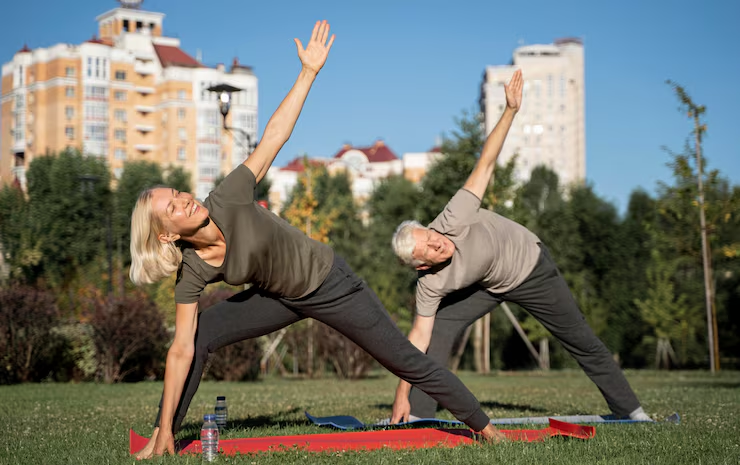
Turning 60 doesn’t mean slowing down or giving up the activities you love. In fact, staying physically active becomes even more important as you get older. Whether you enjoy morning walks, gardening, swimming, or simply spending time outdoors, regular movement can make a noticeable difference in how you feel every day.
The best part? You don’t need to spend hours at the gym or follow an intense fitness routine to enjoy the benefits.
Small, consistent activities can help you maintain strength, improve balance, support heart health, and continue doing the things that bring you joy.
So, what are the benefits of staying physically active after 60, and how can you create a routine that supports your health without putting unnecessary strain on your body?
Why Is Physical Activity Important After 60?
As we age, our bodies naturally go through changes. Muscle mass may gradually decrease, joints can become less flexible, and everyday movements may require a little more effort than they once did.
But getting older doesn’t automatically mean becoming less capable.
Regular physical activity can help slow some age-related changes while supporting your ability to remain independent and enjoy an active lifestyle.
According to the Centers for Disease Control and Prevention (CDC), physical activity helps older adults maintain better physical function, support brain health, and reduce the risk of several chronic conditions.
And it’s never too late to start. Whether you’ve exercised for years or are becoming more active for the first time, your body can benefit from regular movement.
1. Helps Maintain Muscle Strength and Mobility
One of the most valuable benefits of staying active after 60 is maintaining muscle strength.
Strong muscles make everyday activities easier, from climbing stairs and carrying groceries to getting up from a chair or enjoying a walk around the neighborhood.
As you age, your body naturally loses some muscle mass through a process known as sarcopenia. However, regular strength-building activities can help preserve muscle function.
You don’t need heavy weights to get started. Resistance bands, light dumbbells, chair exercises, and bodyweight movements can all help strengthen your muscles.
The goal isn’t necessarily to lift more weight or exercise harder. It’s to keep your body strong enough to support the activities you enjoy.
2. Improves Balance and Coordination
Good balance is something we often take for granted until it becomes more challenging.
As we get older, changes in muscle strength, vision, and coordination can affect stability. That’s why balance exercises are especially important after 60.
Activities like tai chi, gentle yoga, and standing balance exercises can help improve coordination and body awareness.
Better balance can make a difference when navigating stairs, walking on uneven surfaces, or moving around your home.
It can also reduce the risk of falls, helping you feel more confident in your movements.
If you’re new to balance training, start with exercises that allow you to hold onto a sturdy chair or countertop for support.
3. Supports Heart Health and Healthy Circulation
Your heart benefits from movement at every age.
Physical activities such as walking, swimming, and cycling encourage your heart to pump blood efficiently while helping maintain cardiovascular fitness.
Regular exercise can also support healthy blood pressure, cholesterol levels, and circulation.
You don’t have to push yourself to exhaustion to benefit. A comfortable walk around your neighborhood or a few laps in the swimming pool can be a great way to stay moving.
If you live in Clearwater, Florida, you have plenty of opportunities to enjoy outdoor activities throughout the year. Just remember to stay hydrated and schedule outdoor exercise during cooler hours when temperatures are high.
4. Helps Keep Joints Flexible and Comfortable
Staying active is one of the best ways to support healthy joint function.
Gentle movement helps maintain flexibility, encourages the production and circulation of joint fluid, and strengthens the muscles that support your joints.
Low-impact exercises are particularly appealing for adults over 60 because they allow you to move without placing excessive stress on your body.
Walking, swimming, water aerobics, and gentle stretching can all be part of a joint-friendly fitness routine.
If you experience stiffness after sitting for long periods, getting up and moving around regularly may also help you feel more comfortable.
The key is to choose activities that match your fitness level and avoid pushing through significant pain.
5. Supports Better Sleep and Everyday Energy
It might seem surprising, but being more active during the day can actually help you feel more rested.
Regular physical activity can improve sleep quality, making it easier to maintain a consistent sleep schedule.
Movement also supports cardiovascular fitness and muscle function, which can make everyday activities feel less tiring over time.
Even a short morning walk can be a refreshing way to start the day.
For many adults over 60, the goal isn’t necessarily to have the energy for intense workouts. It’s to feel comfortable, capable, and ready to enjoy daily life.
Pairing regular activity with adequate rest gives your body the opportunity to recover and maintain a healthy balance.
6. Benefits Brain Health and Mental Well-Being
The benefits of physical activity aren’t limited to your muscles and joints.
Moving regularly can also support your mental and emotional well-being.
Exercise is associated with improved mood, reduced feelings of anxiety, and better cognitive health as people age.
Activities that combine movement with social interaction can be especially enjoyable.
Joining a walking group, attending a fitness class, or playing a recreational sport gives you an opportunity to stay active while connecting with others.
Even simple activities like gardening or walking outdoors can provide a welcome break from your daily routine.
The important thing is finding something that makes movement enjoyable rather than something you feel obligated to do.
7. Helps You Maintain Independence as You Age
For many people, one of the most meaningful benefits of staying active after 60 is the ability to continue doing things independently.
Being able to travel, shop, spend time with family, enjoy hobbies, and manage daily tasks can make a tremendous difference in your quality of life.
Physical activity supports the muscle strength, endurance, and balance needed for these everyday activities.
Rather than focusing only on how many steps you take or how many calories you burn, think about what you want your body to help you accomplish.
Maybe it’s taking longer walks with your grandchildren, enjoying a vacation without feeling overly tired, or keeping up with a favorite hobby.
Those are all great reasons to keep moving.
What Are the Best Physical Activities for Adults Over 60?
The best exercise routine is one that fits your abilities, interests, and lifestyle.
You don’t need to do everything at once. A combination of different activities can help support your overall fitness.
Walking
Walking is simple, accessible, and easy to incorporate into your schedule. It supports cardiovascular health and helps maintain leg strength and endurance.
Swimming and Water Aerobics
Water-based exercise provides a low-impact way to move your body while reducing stress on your joints. It’s especially popular among people who enjoy exercising in a comfortable, supportive environment.
Strength Training
Using resistance bands, light weights, or your own body weight helps maintain muscle strength and supports everyday mobility.
Yoga and Tai Chi
These activities combine gentle movement with balance, flexibility, and body awareness. They can also provide an enjoyable opportunity to relax.
Gardening and Everyday Activities
Physical activity doesn’t always have to look like exercise. Gardening, dancing, household chores, and walking your dog can all help you stay moving throughout the day.
The CDC recommends that adults 65 and older aim for at least 150 minutes of moderate-intensity aerobic activity per week, along with muscle-strengthening activities at least twice a week and regular balance exercises.
If you’re just getting started, begin with an amount that feels manageable and gradually build from there.
Why Is Recovery Important When Staying Active After 60?
Staying active is important, but giving your body time to recover matters just as much.
As you get older, you may notice that your muscles need more attention after a long walk, gardening session, or workout.
Recovery allows your body to adapt to physical activity and prepare for the next day.
A balanced recovery routine may include getting enough sleep, staying hydrated, eating nutritious meals, and incorporating gentle movement on rest days.
Relaxation can also play a valuable role.
Taking time to unwind after physical activity can help you feel more comfortable and make your wellness routine more enjoyable.
Adding Relaxation and Recovery to Your Routine
If you’re looking for ways to complement an active lifestyle, wellness experiences such as massage and compression therapy may offer an enjoyable opportunity to rest and recharge.
Robotic massage chairs can provide a comfortable relaxation experience, particularly after a busy or physically demanding day.
Compression therapy uses controlled pressure to support venous return in the legs and may be helpful in certain recovery settings. However, its benefits depend on individual circumstances, and it isn’t appropriate for everyone.
At Scape Relaxation in Clearwater, FL, visitors can explore wellness and recovery experiences in a comfortable environment.
Whether you enjoy walking, swimming, golfing, or simply staying busy throughout the day, making time for relaxation can be a pleasant addition to your routine.
These experiences should complement regular activity, not replace exercise, rehabilitation, or medical treatment. If you have a circulatory condition or other significant health concerns, check with your healthcare provider before trying compression or other new therapies.
How Can You Start Being More Active After 60?
If you’ve been less active recently, there’s no need to completely change your lifestyle overnight.
Start with small, realistic goals that feel achievable.
A 10-minute walk after breakfast, a few gentle stretches in the afternoon, or a short resistance-band routine can be a good starting point.
As your body becomes more comfortable with movement, gradually increase the duration or intensity of your activities.
Try choosing activities you genuinely enjoy. You’re much more likely to maintain a routine when it feels like something you look forward to.
And remember that consistency matters more than perfection.
You don’t need to exercise intensely every day to make progress. Finding a healthy balance between movement and recovery is what makes an active lifestyle sustainable.
If you have a chronic medical condition, mobility limitations, or haven’t exercised in a long time, speak with your healthcare professional about an appropriate starting point.
Frequently Asked Questions About Staying Active After 60
Is 60 too old to start exercising?
Not at all. Adults can benefit from becoming more physically active at almost any age. Starting gradually with activities suited to your fitness level can help you build strength, endurance, and confidence over time.
How much exercise should a 60-year-old get each day?
For generally healthy adults, a common goal is at least 150 minutes of moderate-intensity aerobic activity per week, which works out to about 30 minutes on five days. Strength and balance exercises should also be included regularly. The appropriate amount varies depending on health and fitness.
What is the best low-impact exercise for seniors?
Walking, swimming, water aerobics, and cycling are popular low-impact options. The best choice depends on your mobility, interests, and overall health.
Can staying active after 60 help improve balance?
Yes. Regular strength training and balance-focused activities such as tai chi can improve stability and coordination, helping reduce the risk of falls.
What are the benefits of walking every day after 60?
Regular walking supports heart health, circulation, endurance, mood, and everyday mobility. It’s also one of the easiest ways to incorporate physical activity into your routine.
How important is muscle recovery after 60?
Recovery helps your muscles adapt to physical activity and gives your body time to rest. Adequate sleep, proper nutrition, hydration, and appropriately scheduled rest days are important at every age.
Can relaxation therapy complement an active lifestyle?
Yes. Relaxation experiences, including massage, may help with comfort and stress management. They can be enjoyable additions to a wellness routine, although they don’t replace the physical benefits of regular exercise.
Stay Active, Feel Your Best, and Make Time for Wellness
Staying physically active after 60 is about much more than exercise. It’s about maintaining the freedom to enjoy your favorite activities, feel confident in your movements, and make the most of each day.
Whether you love walking along the beach, playing golf, gardening, or spending time with family, regular movement helps support the strength and mobility that make those experiences possible.
And while keeping your body moving is important, so is giving yourself time to relax.
At Scape Relaxation in Clearwater, FL, you can explore a variety of wellness experiences designed to help you unwind and make self-care part of your lifestyle.
From relaxing robotic massage sessions to compression therapy and other wellness services, Scape offers a welcoming space to take a break from your busy schedule.
Ready to add more relaxation to your active lifestyle?
Visit Scape Relaxation to discover its wellness services and plan your next visit in Clearwater, Florida.