


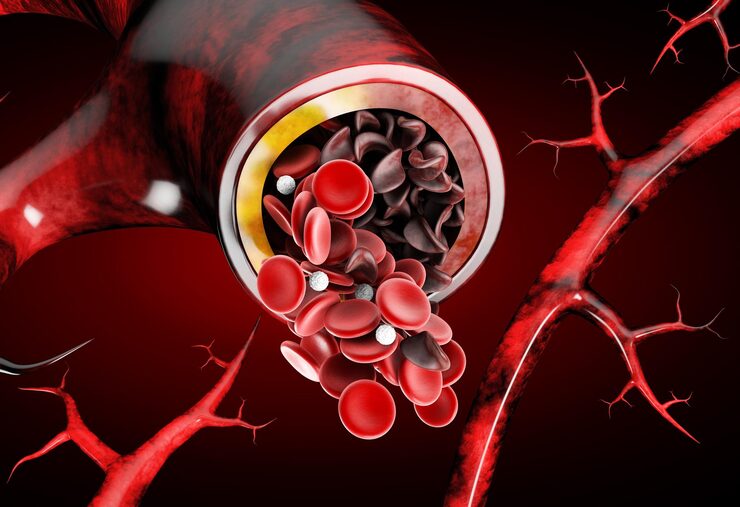
Think about how much your body does in a single day. Whether you’re walking, working, exercising, or relaxing at home, your heart is constantly pumping blood to keep everything running smoothly.
Good circulation is essential to that process. It delivers oxygen and nutrients throughout your body, helps remove waste products, and supports the health of your muscles, organs, and tissues.
The good news? You don’t necessarily need an intense workout routine or major lifestyle changes to support healthy blood flow. Simple habits, like moving more often, eating balanced meals, and giving your body time to recover, can make a meaningful difference.
So, what are the benefits of improving blood circulation naturally, and how can you make it part of your everyday wellness routine?
Why Is Healthy Blood Circulation Important?
Your circulatory system is responsible for moving blood throughout your body. Your heart acts as the pump, while your arteries, veins, and smaller blood vessels carry blood where it’s needed.
This continuous process helps your body:
- Deliver oxygen and nutrients to muscles and organs.
- Transport carbon dioxide and other waste products away from tissues.
- Regulate body temperature.
- Support the body’s natural healing processes.
- Maintain healthy organ and tissue function.
When your circulatory system works efficiently, your body is better equipped to handle everyday activities and physical demands.
Supporting circulation is especially important if you spend long hours sitting at a desk, standing at work, or participating in regular physical activity.
1. Supports Heart and Cardiovascular Health
One of the biggest benefits of maintaining healthy circulation is supporting your cardiovascular system.
Your heart and blood vessels work together to deliver oxygen-rich blood throughout your body. Regular movement helps keep this system functioning efficiently.
Activities like walking, cycling, and swimming encourage blood flow while helping strengthen the heart over time.
According to the American Heart Association, consistent physical activity can also help maintain healthy blood pressure, cholesterol levels, and overall cardiovascular fitness.
You don’t have to become a marathon runner to enjoy these benefits. Even short walks throughout the day are a great place to start.
2. Helps Deliver Oxygen and Nutrients to Your Muscles
Your muscles depend on a steady supply of oxygen and nutrients to function properly.
Whether you’re exercising at the gym, taking the stairs, or carrying groceries, blood flow helps provide the resources your muscles need.
During physical activity, your body naturally increases blood flow to working muscles to meet their greater oxygen demands.
Regular exercise also helps your cardiovascular system become more efficient at delivering oxygen.
For people who enjoy staying active, supporting healthy circulation is an important part of maintaining endurance, strength, and everyday physical performance.
3. Supports Muscle Recovery After Physical Activity
Have you ever finished a long walk or workout and felt like your legs needed a little extra attention?
Recovery is an essential part of staying active, and healthy circulation plays a role in that process.
Blood transports oxygen and nutrients to muscle tissue while helping carry away metabolic byproducts.
Gentle movement after exercise, such as walking or light cycling, can help maintain blood flow without placing excessive demands on recovering muscles.
Recovery also depends on other factors, including adequate sleep, nutrition, hydration, and time between demanding workouts.
If you’re looking to add a relaxing recovery experience to your routine, wellness services such as compression therapy may offer another way to care for tired legs.
4. May Help Reduce Leg Heaviness and Everyday Swelling
Spending hours in the same position can sometimes leave your legs feeling heavy or tired.
This is particularly common among people who work at desks, stand for extended periods, or travel frequently.
Your leg muscles help move blood back toward your heart. When you walk or move your ankles, those muscles contract and help support venous circulation.
That’s why taking regular movement breaks can be helpful.
Elevating your legs can also encourage venous return, while appropriately selected compression garments may help limit fluid buildup in certain situations.
Compression therapy is another option sometimes used to support circulation in the lower extremities.
At Scape Relaxation in Clearwater, FL, visitors can explore compression therapy as part of a broader wellness and recovery experience.
Persistent or unexplained swelling should always be evaluated by a healthcare professional.
5. Helps Maintain Healthy Body Temperature
Your circulatory system also helps regulate body temperature.
When your body gets warm, blood vessels near the skin can widen, allowing more heat to escape. When you’re cold, those vessels may narrow to help conserve heat.
These natural adjustments are part of how your body maintains a relatively stable internal temperature.
Supporting cardiovascular health through regular activity and healthy daily habits helps your circulatory system perform its normal functions.
Cold hands or feet aren’t always signs of poor circulation, but persistent temperature changes, discoloration, or discomfort are worth discussing with a healthcare provider.
6. Supports the Body’s Natural Healing Process
Healthy blood flow is important when your body needs to repair tissue.
Blood carries oxygen, nutrients, and immune cells to areas involved in healing. These resources help support the body’s natural repair processes following everyday wear and tear or injury.
It’s one reason circulation is an important consideration in overall health and recovery.
However, healing is complex. Simply increasing blood flow doesn’t guarantee faster recovery, and certain medical conditions require specialized treatment.
Maintaining healthy habits, following medical guidance, and allowing appropriate recovery time are all important.
7. Encourages an Active and Balanced Lifestyle
One of the best things about supporting circulation naturally is that many circulation-friendly habits also benefit your overall wellness.
A regular walking routine, for example, can support cardiovascular health while helping you feel more energetic and manage everyday stress.
Physical activity is also associated with better sleep and improved mood.
These benefits aren’t all caused by increased circulation alone, but they show how maintaining healthy blood flow fits into a bigger picture of taking care of your body.
Rather than focusing on a single treatment or activity, think about creating a routine that includes movement, recovery, and relaxation.
What Are the Best Natural Ways to Improve Blood Circulation?
Supporting healthy circulation doesn’t have to be complicated. A few practical changes can help you build better habits over time.
Move Your Body Throughout the Day
Walking is one of the easiest ways to encourage circulation.
Try taking a short walk during your lunch break, standing up between long periods of desk work, or incorporating gentle movement into your morning routine.
Even small amounts of physical activity are beneficial, especially when they help reduce prolonged sitting.
Stay Hydrated
Water helps your body maintain normal blood volume and supports essential functions throughout the day.
Drinking enough water is particularly important during exercise, outdoor activities, and hot Florida weather.
While hydration supports cardiovascular function, drinking extra water beyond your needs won’t automatically improve circulation.
Eat a Heart-Healthy Diet
A balanced diet supports blood vessel health and overall cardiovascular wellness.
Foods such as fruits, vegetables, whole grains, nuts, and sources of unsaturated fats can be part of a heart-healthy eating pattern.
Limiting excess sodium and choosing a variety of nutrient-rich foods can also support healthy blood pressure.
Make Time for Recovery and Relaxation
Your body benefits from having time to rest.
Relaxing activities such as gentle stretching, comfortable massage, or spending time in a peaceful wellness environment can complement an active lifestyle.
Massage may temporarily increase local blood flow, but it should not be considered a treatment for circulation disorders.
Explore Compression Therapy
Compression therapy uses controlled pressure to help support blood movement through the veins, particularly in the legs.
Depending on the equipment and individual circumstances, compression may be used to support venous return, manage certain types of swelling, or provide a comfortable recovery experience.
For people interested in wellness and post-activity relaxation, it can be an option worth exploring.
However, compression isn’t appropriate for everyone. People with certain vascular conditions, suspected blood clots, or unexplained swelling should seek medical guidance before using compression devices.
How Can Compression Therapy Support Your Wellness Routine?
If you spend long hours on your feet or enjoy an active lifestyle, you may already appreciate the value of giving your legs time to recover.
Compression therapy typically involves applying pressure to specific areas of the body using specialized garments or equipment.
Some systems use inflatable chambers that apply and release pressure in a controlled sequence.
This process is designed to assist venous return and fluid movement, making compression a familiar approach in medical and recovery settings.
At Scape Relaxation, compression therapy is one of several wellness experiences available to visitors.
Whether you’re looking for a relaxing break after a busy week or exploring new ways to complement your recovery routine, Scape offers a comfortable setting to make wellness part of your schedule.
Learn more about Compression Therapy in Clearwater, FL and discover how the experience fits into Scape’s approach to relaxation.
Frequently Asked Questions About Blood Circulation
What are the main benefits of improving blood circulation?
Healthy circulation supports oxygen and nutrient delivery, muscle function, cardiovascular health, temperature regulation, and the body’s natural healing processes. Maintaining good circulatory health is an essential part of overall wellness.
Does walking help improve blood circulation?
Yes. Walking activates the muscles in your legs, which help move blood back toward your heart. Regular walking also supports cardiovascular fitness and healthy blood vessel function.
What activities help improve circulation in the legs?
Walking, cycling, swimming, and gentle calf exercises are useful ways to encourage blood flow in the legs. Taking breaks from prolonged sitting and elevating your legs may also support venous return.
Can compression therapy help with circulation?
Compression therapy can help support venous blood flow, particularly in the legs, by applying controlled pressure. Its suitability and benefits depend on the type of compression and a person’s health needs.
How often should you move to support healthy circulation?
Try to avoid sitting or standing still for extended periods. Taking regular movement breaks is helpful, while aiming for approximately 150 minutes of moderate-intensity aerobic activity per week offers broader cardiovascular benefits for most adults.
Can massage improve blood circulation?
Massage can produce temporary changes in local blood flow and may help with relaxation and muscle comfort. However, evidence does not show that massage provides lasting improvements in overall circulation or treats vascular conditions.
Discover Wellness and Recovery at Scape Relaxation in Clearwater, FL
Taking care of your circulation starts with everyday choices. Walking more often, eating well, staying hydrated, and giving your body the recovery time it needs are all practical ways to support long-term wellness.
And sometimes, taking care of yourself also means making room for relaxation.
At Scape Relaxation in Clearwater, FL, you can explore wellness experiences designed to help you unwind and incorporate recovery into your routine.
From compression therapy to robotic massage and other relaxation services, Scape provides an inviting space to step away from your busy schedule and focus on yourself.
Whether you’re recovering from an active day or simply looking for a new way to relax, your wellness routine can be both enjoyable and easy to maintain.
Ready to make more time for yourself? Visit Scape Relaxation to explore available therapies and plan your next wellness experience.